What is non-planar 3D printing?
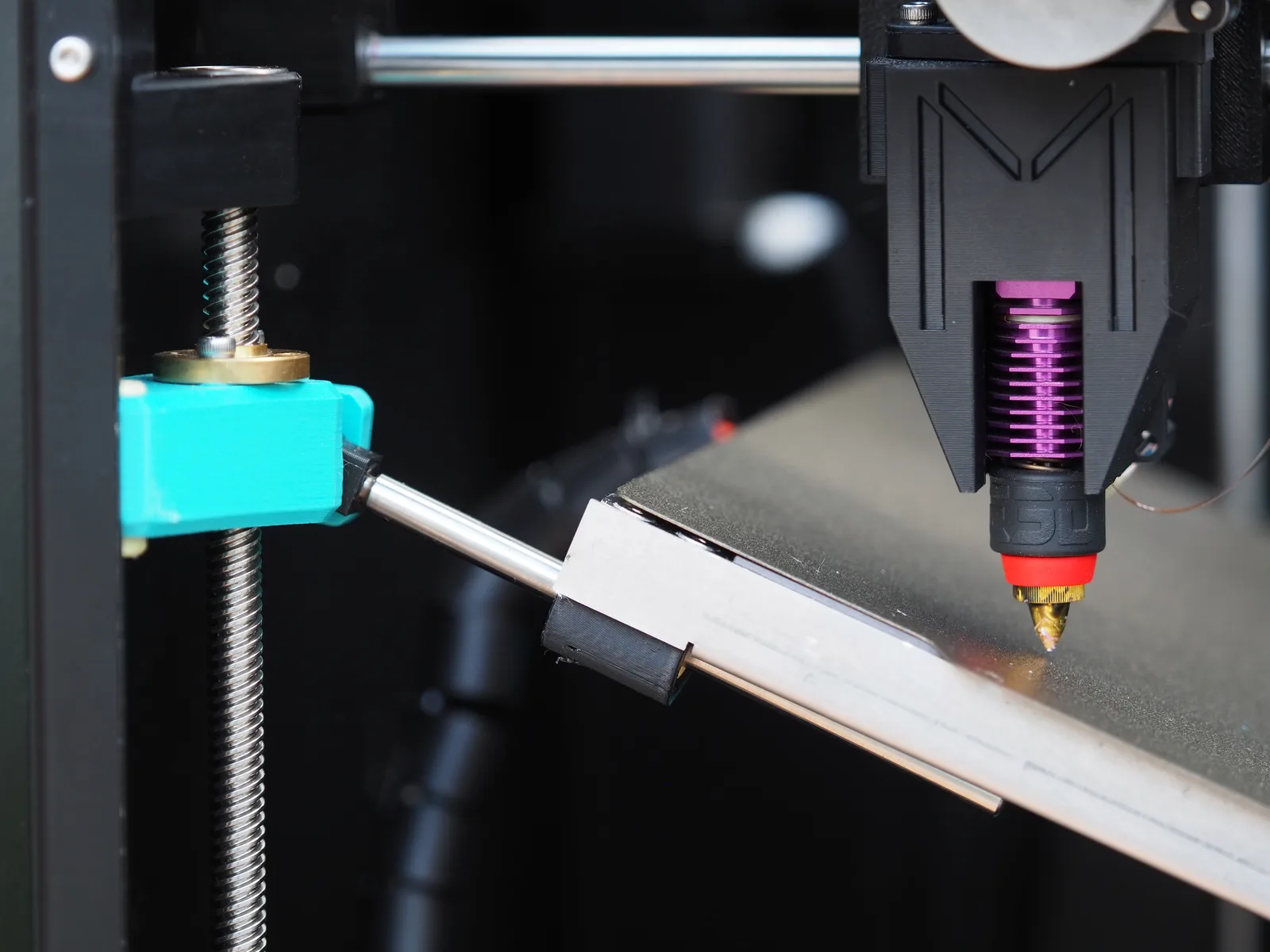
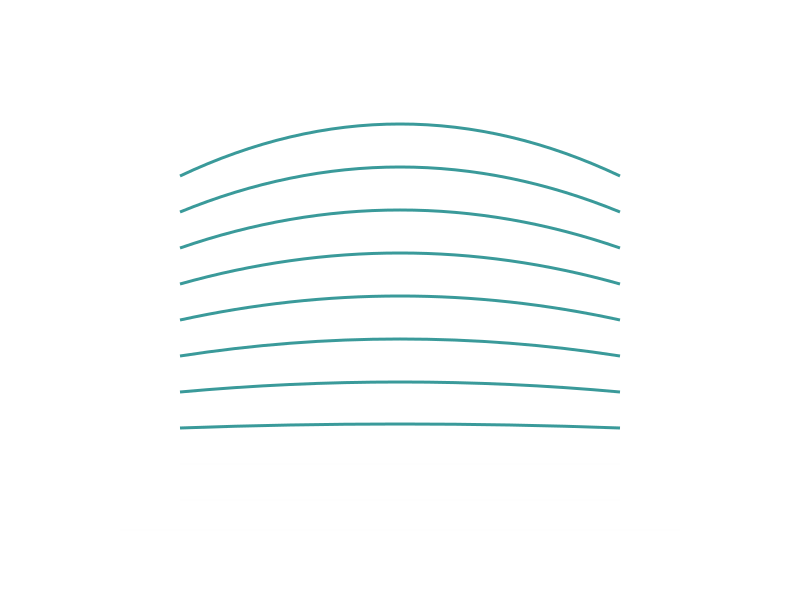
The method that shifts and curves layers instead of stacking them flat: stronger parts, fewer supports and shapes a standard FDM printer cannot make in one piece. Start here.
Read articleBlog

Guides and deep dives on non-planar 3D printing and the technology inside the Melta MK1.
Scroll to the articlesThe method that shifts and curves layers instead of stacking them flat: stronger parts, fewer supports and shapes a standard FDM printer cannot make in one piece. Start here.
Read articleSix rules for CAD work aimed at a tilting bed: run the layers along the load, keep overhangs inside 45 degrees, model the true curve and design the supports out.
Read articleA stock slicer cuts the model with parallel planes, so it has no way to describe a layer that bends. What replaces it: curved slicing surfaces, 3D toolpaths and custom Klipper kinematics.
Read articleOverhangs sag because a flat layer lands on nothing. Tilt the part instead of propping it up and the overhang becomes an ordinary wall, with nothing to break off afterwards.
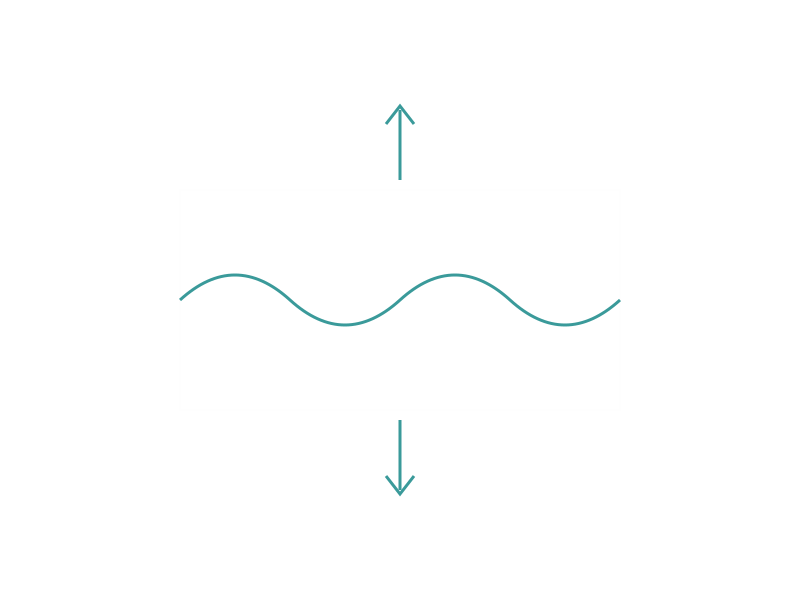
Read articleParts break between layers because a flat interface is the smallest weld the process can produce. Waving that boundary widens the bond and interlocks it, worth up to 62%.
Read articleThe two layer strategies row by row: supports, strength, surface finish, slicer, motion system, and the parts for which planar printing is still the better answer.
Read articleQuestions about the Melta MK1, the reservation or a possible partnership? Write or call us.